Login | Support | Downloads | FAQs

Business is better with Insight

T: 01934 808 293   E: info@insightdata.co.uk

HomeAbout Insight | DatabasesSalestracker | Insight Index | Direct Mail | Email Broadcasting | Latest News | Contact Us

PROSPECT DATABASES

>  Window & door fabricators

>  Window & door installers

>  Conservatory roof fabricators

>  Conservatory installers

>  Sealed unit manufacturers

>  Irish fabricators & installers

>  Architects and specifiers

>  Local builders & contractors

>  Construction File

>  Roofline installers

>  Renewable energy installers

>  Bespoke data / research


USEFUL INFORMATION

>  Direct Marketing Association

>  What our customers say

>  Awards & accreditations

>  Compliance and guidelines

>  Resources

>  The Insight Index

>  Opt Out


Glass and Glazing Federation

Proud member of the Glass and Glazing Federation

The Double Glazing and Conservatory Industry explained


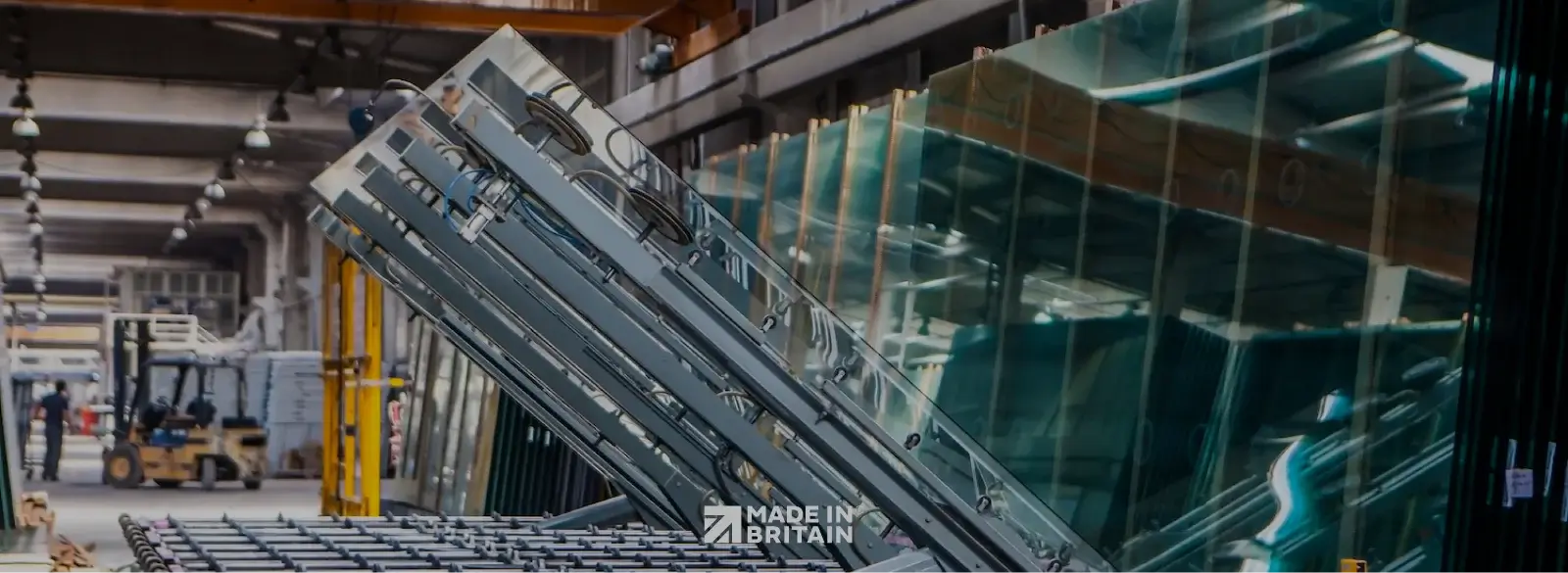
The term double glazing refers to windows and doors that are fitted with a sealed unit, comprising two panes of glass with a bar (known as a spacer bar) around the edge. The edge is then sealed with a special sealant to prevent air and moisture entering the sealed unit, and desiccant is incorporated within the unit to absorb any moisture present at the time of sealing. The full name of this sealed unit is known as a hermetically sealed insulation glass unit (or IGU for short). Triple glazing simply adds another pane of glass and spacer bar to the process. Insight Data has a specialist database of IGU manufacturers.


Although the first double glazed units where experimented with in the 1950's, it was the early 1980's that the double glazing industry took off. Windows had until that time been manufactured in steel (eg Crittall windows) or timber.  Companies such as Stormseal, Thermostore, Anglian Windows, Everest Double Glazing, Zenith and Staybrite emerged as national suppliers of aluminium windows and doors fitted with sealed units.


The late 1980's and early 90's saw the rise of upvc (or PVC-U) windows and doors. PVC-U frames are manufactured from a thermoplastic polymer known as unplasticized Polyvinyl chloride, a rigid and cost-effective plastic ideal for building materials.


Systems Companies

Both aluminium and PVC-U windows and doors are are manufactured from a series of profiles (typically 5 or 6 metres in length) that are cut and crimpled/welded together, such as the outer frame, sash, transom and beads.  Together the profiles make up one complete system, and the companies who design and manufacture them are known as extrusion or systems companies. There are around 25 main PVC-U and aluminium extrusion companies who supply the UK market.


  PVC-U Systems Companies Aluminium Systems Companies  


Synseal Systems

Eurocell

Bowater/WHS Halo

Rehau

Veka

Profile 22/Swish

Duraflex

Spectus Systems

Profine(Kommerling and KBE)

Selecta Profiles

Deceuninck

HL Plastics(Linear)


Kawneer

Comar Architectural Aluminium

Blyweert Beaufort

Smart Systems

Reynaers Aluminium

Sapa Building Systems

Senior Aluminium Systems (SAS)

Metal Technologies

Schuco

Universal

Technal


The systems companies supply businesses who manufacture the windows and doors, known as fabricators.  Fabricators can range in size to those manufacturing just a few frames per week, to several thousand per week (often referred to as super fabricators).


Window and Door Fabricators

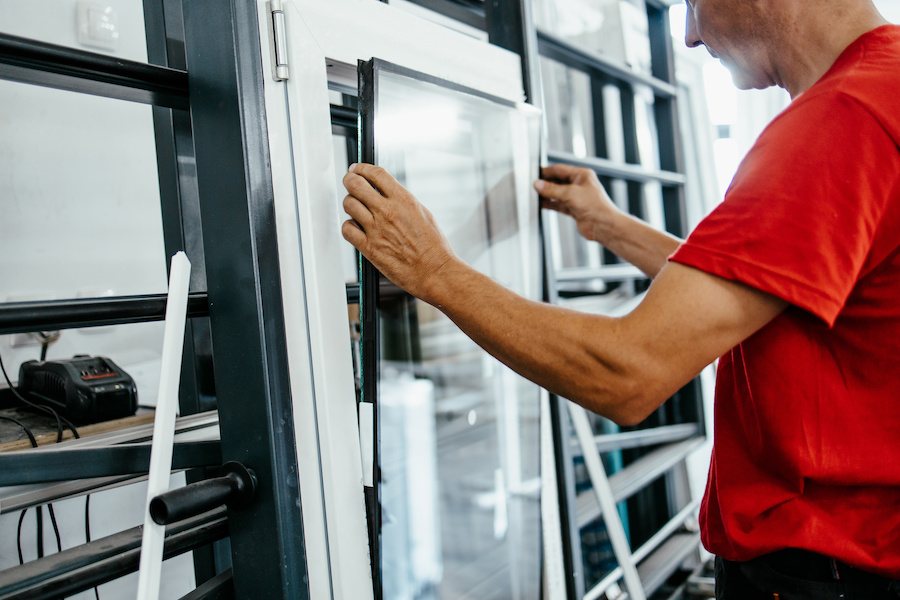
Fabricators manufacture the finished window/door, cutting and assembling the profiles together and adding hardware (locks, hinges, handles) along with weatherseals and gaskets.


In the UK there are around 4,600 window and door fabricators, of which some 2,000 fabricate PVC-U, 800 aluminium and the rest are joiners/timber window/door manufacturers.  Some companies manufacture more than one material type. Insight Data has a specialist database of window/door fabricators


Fabricators have several routes to market. They can supply and fit directly to the homeowner (retail/domestic market), such as Anglian or Everest, or they may supply the new-build market (house builders) or the commercial and public sector (local authorities/social housing, offices/shops, schools/hospitals etc). Architects will often specify a particular window system or window specification when designing a commercial project. For those interested in the commercial sector, Insight has a specialist architects database


Many fabricators also supply the trade - ie, builders, double glazing firms or home improvement companies who do not manufacture but prefer to focus on sales and installation.


Window and Door Installers

There are over 12,500 specialist double glazing and home improvement companies who fit windows and doors in the UK, primarily in the domestic sector (homeowners). Most of these companies (about 11,000) do not manufacture, and will buy their products from a fabricator. Installers are often loyal to a particular window system brand, and can vary in size considerably (from those installing under 25 frames per week to those installing well over 250 per week).  Insight Data has a specialist database of window/door installers


Many local builders will also install windows and doors, often as part of a refurbishment or extension, or while installing a new kitchen, bathroom or during renovation work. There is a growing trend for local builders to promote double glazing as part of their service, rather than simply as part of a refurb/extension.  Insight Data has a specialist database of local builders, which can be segmented to target those in the home improvement sector.


Conservatories

A conservatory consists of three primary elements.  The base (or building work, including dwarf wall if required), the window and door frames, and the conservatory roof.


Conservatory roofs are a specialist engineered product designed to withstand the elements and support the weight of the glazing material. The glazing can be polycarbonate or glass, or sometimes a conservatory will have a solid roof (such as slate or tile). The structure of the conservatory walls (windows/doors) clearly needs to be structurally strong enough to support and secure the conservatory roof above it.


Similar to windows and doors, the roof is manufactured from a series of profiles and components, and glazing material (such as glass).  Due to the structural requirements of a conservatory roof, the material tends to be aluminium or aluminium clad with PVC-U.  Other than timber and low-budget DIY roofing products there are a number of specialist conservatory roof systems, including Synseal Global, Ultraframe, K2, Eurocell Pinnacle and Quantal, who manufacture the roofs themselves and also supply a network of around 450 conservatory roof fabricators. Insight has a database of conservatory roof fabricators.


A variation of the conservatory is the orangery and this is growing in popularity. There are some 9,000 companies who install conservatories, most of which buy-in their roofs from a roof fabricator. Insight has a database of conservatory installers.


Roofline

Many double glazing and home improvement companies have diversified into the roofline market competing with builders and roofing contractors for the installation of fascias, soffits, guttering, and cladding. Some of the major extruders of PVC-U and PVC-UE (foamed filled) include Kestrel/Celuform, GAP (Homeline), Freefoam and Swish. There are now over 5,000 companies who install roofline products, and Insight has a database of roofline installers


Emerging Trends

There are a number of trends that Insight Data are monitoring, including the growth of composite windows (consisting of a combination of aluminium/timber, aluminium/PVC-U, etc).  Some product developments in the home improvement/window industry are listed below.


VS Windows

Vertical sliding sash windows (also known as box sash windows) were a traditional timber product using weights and pulleys to enable the window to slide up and down.  Advances in PVC-U and aluminium has resulted in this product growing in popularity in these materials as an alternative to outward opening casement windows and continental-Europe style inward opening tilt and turn windows. Details of VS fabricators and installers are contained within the Insight databases


Bi-folding doors

Folding and sliding doors are a rapidly growing market and are now often chosen as an alternative to patio doors and french/double doors.  They enable larger openings within homes and conservatories and consist of several (typically between 3 and 7) frames hinged together that fold back against each other in a concertina style.  Details are within the Insight databases


Composite Doors

A composite door consists of a slab which is similar in appearance to a traditional timber door.  The slab is constructed of a combination of materials typically a thermoplastic, GRP or steel skin bonded to an engineered timber frame "skeleton". The slab is typically filled with high density foam (although it can also be solid) and the edge of the door slab is usually a PVC-U/GRP or similar frame to prevent moisture penetration.


The slab is cut to size, fitted with the relevant glass if applicable, and fitted into a door frame along with hardware (locks, handles etc).  Until recently composite doors where manufactured by a small number of specialist fabricators, but this market is growing rapidly particularly as an alternative to traditional PVC-U panel doors, and a growing number of PVC-U window and door fabricators are now manufacturing composite doors.  Information on composite door fabricators and installers is contained within the Insight databases


Helping you target the right prospects

If you wish to target any of the markets or companies within the window, door, conservatory or building Industry, Insight Data has the in-depth industry knowledge to help you. Our range of prospect databases are the most accurate, relevant and up-to-date available and you can also take advantage of our marketing services for direct mail, email marketing, telesales and design/print.


Top of page


About Insight Data


Marketing Services


Follow us on Twitter Find us on the Insight Index Login to Salestracker

Request a brochure or call back

How can we help you find new customers?


Request a brochure or call back

How can we help you find new customers?

For the best quality sales leads the Insight databases have the most accurate and up-to-date information


We can help you increase your direct mail response rate by over 20% using high impact design and copywriting


Avoid the spam traps and junk folders and get your emails delivered to your target customers with Insight Data


Discover Salestracker, the world's first online CRM database updated live in real-time by Insight's research team

Site Map

About Insight Data

Insight Data latest news

Frequently asked questions

Download centre

Customer testimonials

Awards & accreditations

Request brochure / quote

Careers and jobs

Terms and Conditions

What do we do?

Prospect data for sales leads

Direct mail and mailshots

Email marketing / emarketing

Bespoke databases & research

Graphic design and print

Telesales / telemarketing

Online / web CRM software

Other information

The Insight Research Team

Compliance and guidelines

Direct Marketing Association

Insight resellers / partners

The double glazing industry

Website links

The Insight Index

dising material

Exhibitionstands


© Insight Data Ltd, 2006-2013