 Fenestration
 Local Builders
 Builders' Merchants
 Architects & Specifiers
 House Builders
 Main Contractors
 Lead Generation
 Direct Marketing
 Marketing Reports
 Salestracker CRM
 STEM Email Marketing
 Mobile CRM
 Software Features
 Market Overview
 FAQs
FAQs Downloads
 GDPR
GDPR Our History
 Company News
 Careers
 Book a Demo
 Contact Us
Direct Marketing: A Powerful Tool for B2B Growth in 2026

Direct marketing is a targeted, measurable form of advertising that delivers promotional materials directly to potential customers, without relying on mass media or intermediaries. In recent years, direct marketing has evolved into one of the most effective B2B strategies for reaching the right people, building a qualified customer base, and driving sales.
At Insight Data, we help companies in the construction, fenestration, and glazing sectors use direct marketing channels like email marketing, SMS marketing, and direct mail to generate real business opportunities using real-time prospect data.
What Is Direct Marketing?
Direct marketing is a form of marketing where a business sends a promotional message straight to a potential customer, bypassing general advertising platforms. Instead of promoting to the masses, you reach out to specific individuals or companies.
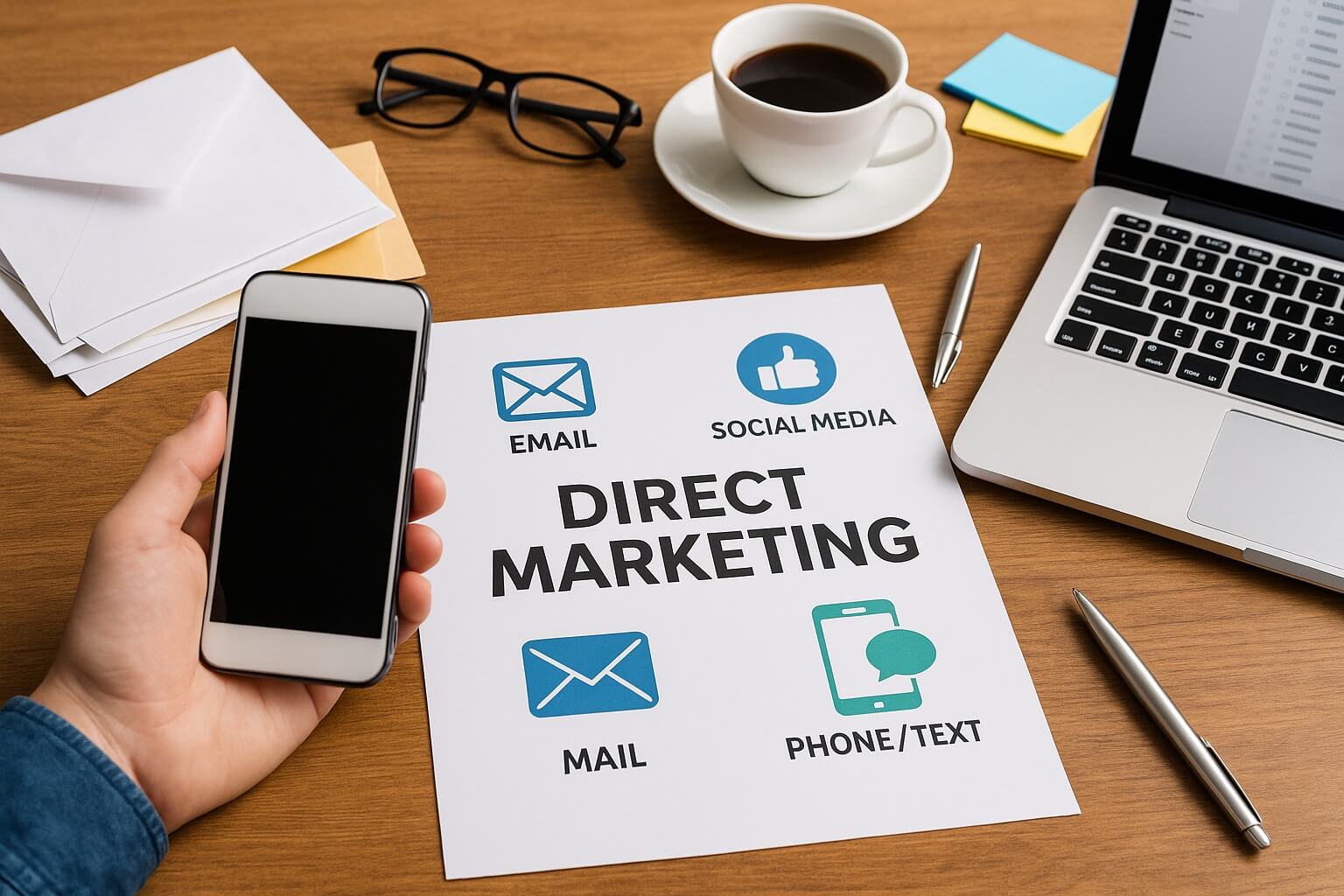
Typical types of direct marketing include:
- Email marketing
- Direct mail
- SMS campaigns
- Telemarketing
- Social media advertising
- Door-to-door visits
This approach allows direct marketers to tailor their message to the intended recipient, encourage an immediate response, and measure campaign results quickly.
Why Direct Marketing Still Works in 2026
Direct marketing cuts through the noise of mass marketing. It reaches the right people at the right time, using the right channel.
Unlike brand awareness campaigns or general content marketing, a direct marketing strategy aims to generate an action: click, call, form fill, or purchase. That clear intent makes it ideal for lead generation and sales activation.
Moreover, today’s marketing channels are data-driven and digitally trackable. You can now measure email open rates, response times, engagement levels, and ROI far more accurately than traditional print advertising.
Understanding the Core Principles of Direct Marketing
The success of any direct marketing campaign depends on four key elements:
1. A Targeted Prospect List
Without accurate data, you’re wasting your budget. Insight Data’s real-time databases allow you to target decision-makers across construction sectors, ensuring your campaign reaches relevant contacts.
2. A Clear Call to Action
The goal of direct marketing is to prompt action, download, sign up, enquire, or buy. A strong CTA makes the next step obvious and easy.
3. Personalisation
Using the recipient’s name, location, or industry sector increases customer engagement and improves response rates. Even B2B contacts are more likely to respond when they feel the message is tailored to them.
4. Measurable Results
Whether you use UTM tracking links, unique phone numbers, or CRM codes, your marketing efforts can be measured and optimised in real time.
The Role of Direct Marketing in B2B Lead Generation
In B2B, especially in specialist sectors like fenestration or building products, you can’t rely on social media platforms alone. Most purchasing decisions come from targeted research, relationships, and trust.
This is where direct marketing efforts pay off. You speak directly to qualified prospects, follow up with relevant information, and build trust over time.
With Salestracker CRM from Insight Data, your sales and marketing teams can:
- Access over 60,000 verified businesses
- Segment audiences by geography, job title, business type, and more
- Launch multichannel campaigns from one platform
Direct Marketing vs Indirect Marketing
| Direct Marketing | Indirect Marketing |
|---|---|
| Targets specific individuals or companies | Aims to build general brand awareness |
| Drives an immediate response | Generates long-term visibility and credibility |
| Fully trackable and measurable | ROI is often harder to attribute |
| Includes email, SMS, direct selling, and direct mail | Includes blogs, social posts, and content marketing |
Both approaches have value, but direct marketing produces results faster, especially for lead generation.
Best Practices for Direct Marketing in B2B Sectors
To succeed with direct marketing, especially in industries like construction or home improvement, you need to:
- Use accurate, up-to-date data
- Choose the right channel based on your audience
- Personalise your messages
- Keep your messaging short, direct, and useful
- Include a clear, single action for the reader to take
- Test and refine based on data
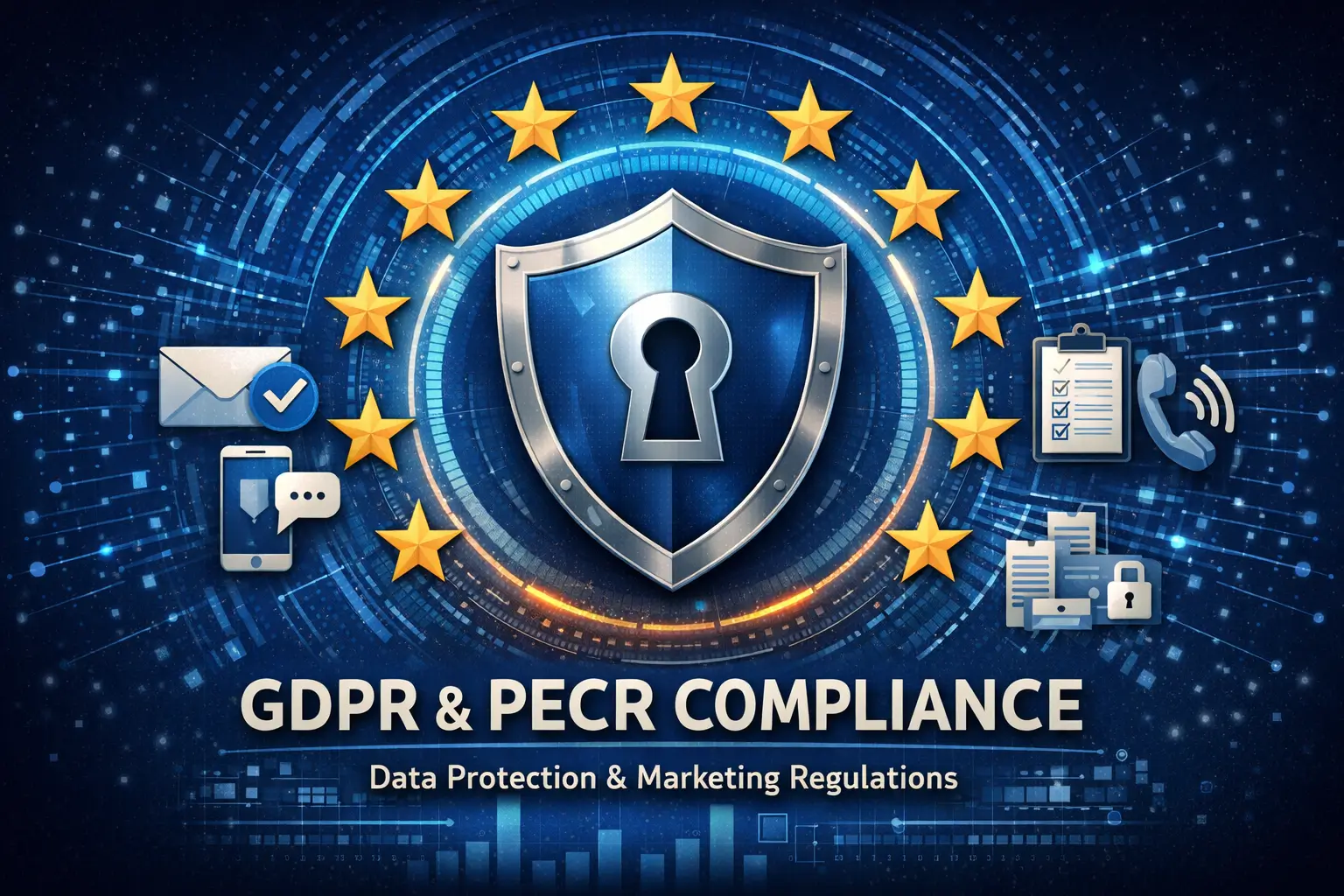
It’s also important to respect privacy laws. GDPR compliance is essential in the UK, particularly when reaching out to new business contacts.
How STEM Email Marketing Supports Direct Strategies
Email remains one of the most cost-effective and measurable forms of direct marketing. With a strong email marketing strategy powered by STEM Email Marketing Software, you can:
- Reach hundreds or thousands of decision-makers
- A/B test subject lines and message content
- Track open rates, click-throughs, and conversions
- Automate follow-ups using CRM integrations
For the best results, combine email with market research and segmented targeting. Our platform, Salestracker, helps you manage this entire process from one place.
Leveraging SMS Marketing for Direct Response
SMS marketing has become an effective way to reach B2B audiences who are often away from their desks. Time-sensitive promotions, appointment reminders, or product launch alerts sent via text can prompt fast action.
It’s especially useful for trade customers who may not check email frequently but will read texts on-site or on the move.
Direct Mail: Not Dead Yet
Many assume direct mail is outdated, but it still has a place in your marketing mix. Brochures, catalogues, flyers, or postcards can stand out when physical inboxes are less crowded.
When combined with high-quality prospect data, direct mail becomes a tactile, memorable way to connect.
Direct Advertising on Social Media
Paid ads on LinkedIn, Facebook, or Instagram allow you to reach defined business audiences. Target by:
- Industry or trade
- Job title
- Location
- Interests or online behaviour
This approach works well when supported by direct marketing data. Upload a targeted list and run a lookalike campaign to expand reach while staying focused.
Examples of Direct Marketing in Action
- A home improvement company sends promotional materials by email to new-build homeowners
- A window systems supplier texts installers about product stock availability
- A merchant mails brochures to construction SMEs in the North West
- A lead gen team uses LinkedIn ads supported by filtered CRM data from Insight Data
These are all examples of direct response advertising that trigger real customer engagement.
Measuring the Success of Direct Marketing
You should track:
- Response rates by channel
- Conversion percentages from each touchpoint
- Total campaign cost vs ROI
- Lead-to-sale pipeline performance
This allows you to refine your tactics and focus investment on what’s working.
Who Was Lester Wunderman?
Often called the “father of direct marketing”, Lester Wunderman pioneered many of the tactics still used today, including customer loyalty schemes, database marketing, and targeted mailouts.
He understood that direct marketing was not about broadcasting messages; it was about relevance and results.
Why Use Insight Data for Direct Marketing?
We provide UK construction, fenestration, and home improvement suppliers with access to:
- The UK’s most accurate B2B prospect databases
- Salestracker CRM to manage contacts and campaigns
- Email and direct advertising services
- GDPR-compliant data verified daily by real researchers
If you’re trying to reach contractors, housebuilders, merchants, or installers, our data will connect you with them.
Direct Marketing with a Time Limit
Urgency increases action. Including a time limit in your CTA, such as “offer ends Friday” or “only 100 units available”, can significantly boost your response rate.
It’s a simple tactic that works across channels, from email marketing to SMS.
Why Direct Marketing Deserves Your Attention
If you’re still relying solely on indirect tactics or general advertising, you’re missing opportunities. Direct marketing is a powerful tool that gets results fast.
With accurate data, the right message, and a clear objective, your direct marketing strategy can deliver qualified leads and measurable sales growth.
Take the Next Step
Want to improve your direct marketing efforts with real-time, verified data?
👉 Explore Salestracker CRM
📞 Contact Insight Data
📚 View our Industry Databases
Direct Marketing FAQs: What Do Businesses Need to Know?
This direct marketing FAQ section answers common questions from B2B companies looking to improve their campaigns. From understanding key terms to choosing the right channels, we cover what matters. Whether you’re new to direct marketing or refining your strategy, these insights can help guide your next move.
What is direct marketing?
It’s a method of promoting goods or services directly to customers without using mass media.
What are examples of direct marketing?
Email campaigns, SMS texts, direct mail, telemarketing, and social media ads.
Is direct marketing intrusive?
It can be if poorly targeted. With accurate data, it becomes highly relevant and welcomed by the recipient.
Why is personalisation important in direct marketing?
Tailored messages increase engagement, trust, and conversion rates.
Can direct marketing be automated?
Yes. CRM platforms like Salestracker enable campaign automation and tracking.