 Fenestration
 Local Builders
 Builders' Merchants
 Architects & Specifiers
 House Builders
 Main Contractors
 Lead Generation
 Direct Marketing
 Marketing Reports
 Salestracker CRM
 STEM Email Marketing
 Mobile CRM
 Software Features
 Market Overview
 FAQs
FAQs Downloads
 GDPR
GDPR Our History
 Company News
 Careers
 Book a Demo
 Contact Us
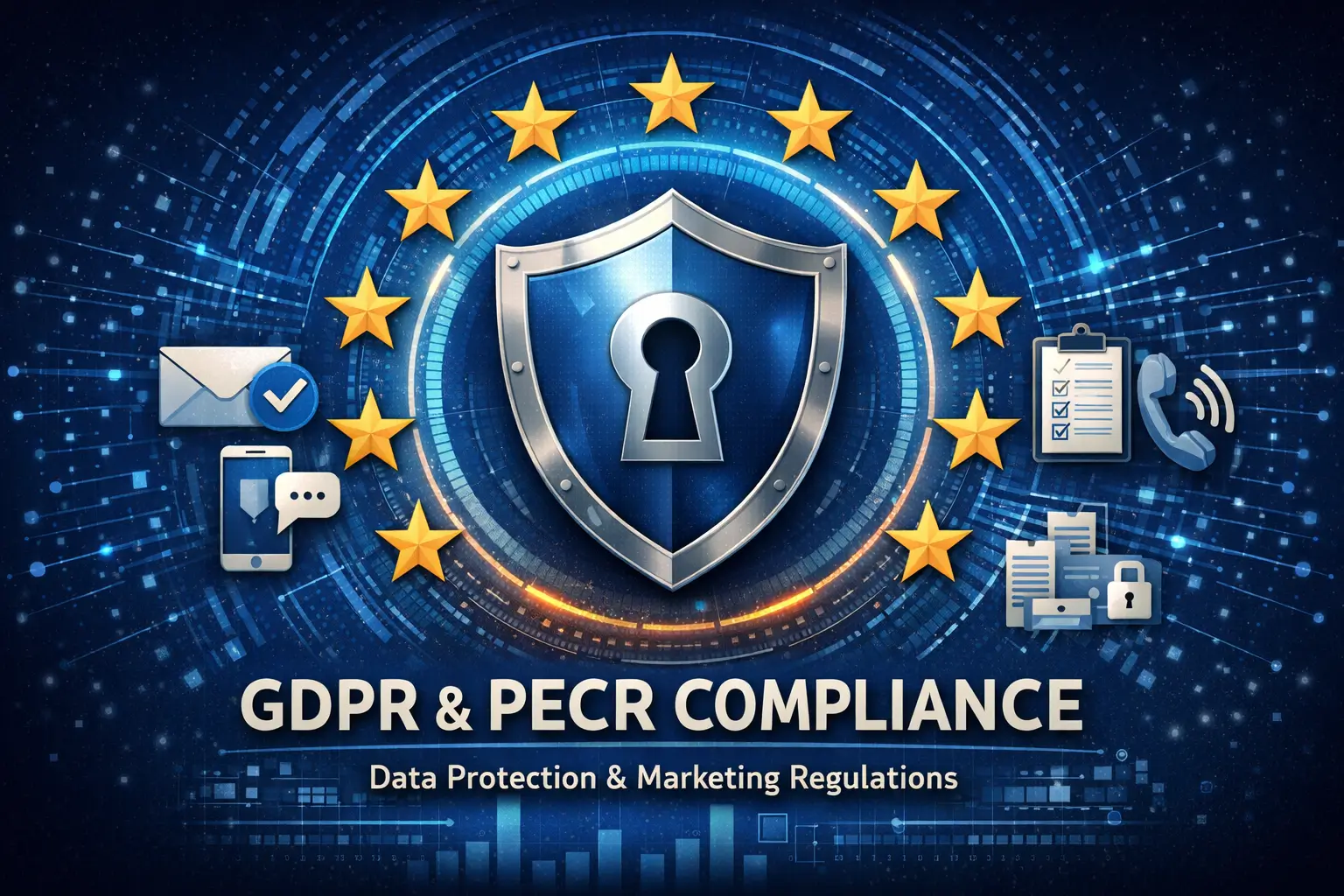
GDPR Compliance: What Businesses Need to Know in 2025
GDPR compliance remains a key priority for UK businesses in 2025. As a provider of live B2B marketing data, we understand that managing personal information correctly affects your legal position, customer trust, and marketing results. 
This article outlines what the GDPR means today and how you can meet your responsibilities using tools like Salestracker CRM and our verified marketing databases.
Why GDPR Still Matters in 2025
The General Data Protection Regulation (GDPR) came into force in May 2018 and is now fully embedded in UK law, continuing after Brexit. It regulates how personal data is collected, processed, stored and shared. Although designed within the EU, GDPR compliance applies to any UK business that processes personal data, including B2B companies holding employee or decision-maker details.
Understanding Personal Data and Your Responsibilities
GDPR applies to any information that can identify a living person, such as name, job title, email address or phone number, even if they work for a company. You must have a lawful basis for collecting and using this data and be transparent about how it’s handled.
How GDPR Affects B2B Marketing
There’s still confusion about how GDPR impacts marketing. The regulation doesn’t ban marketing activity but tightens how personal data is handled. This includes direct marketing, sales lead generation, email campaigns and CRM activity.
What Counts as ‘Consent’ in 2025?
Consent must be clear, specific, freely given and unambiguous. Pre-ticked boxes and vague permissions are no longer valid. Businesses must keep records of when and how consent was given and provide easy opt-outs.
Alternatives to Consent: Using Legitimate Interest
Consent is not the only lawful basis for processing data. Under Article 6(1)(f) of the GDPR, companies can use legitimate interest if it does not override individual rights. This is often the best option for B2B direct marketing. Recital 47 confirms that direct marketing may qualify as a legitimate interest.
Managing and Documenting Your Prospect Data
Businesses must now demonstrate data compliance through proper governance. That means:
- Documenting what data is held, where it came from, and how it is used
- Stating the legal basis for processing personal data
- Making privacy policies public, clear, and accessible
- Respecting data subject rights, including correction, restriction or erasure
- Implementing a clear data breach notification process
- Appointing someone responsible for data protection (e.g. a DPO)

GDPR Compliance Risks in Building Your Own Database
If you’re collecting prospect data manually or scraping from public sources, you could be breaching GDPR without realising. Incomplete records, lack of consent history, or outdated contacts all carry risk. That’s why using a trusted, verified data source like Insight Data’s live B2B databases reduces exposure and keeps your campaigns compliant.
How Insight Data Supports GDPR-Compliant Marketing
At Insight Data, we specialise in GDPR-compliant marketing data and tools. Our in-house research team updates contacts in real-time, so you can target decision-makers confidently. Salestracker CRM and STEM email marketing include permission tracking, access control and audit features built for regulated marketing.
GDPR Compliance: What Should B2B Marketers Know in 2025?
GDPR compliance continues to raise questions for B2B marketers, especially around consent, data accuracy, and lawful processing. Below, we answer common queries about managing personal data in marketing, using legitimate interest, and how tools like Salestracker can support your compliance efforts in 2025.
What data is covered under GDPR?
Any information that can identify a living individual, even in a business context, such as a name, work email, or mobile number.
Is legitimate interest enough for marketing?
Yes, in most B2B contexts. You must balance it against individual rights and document your decision, but it is a valid legal basis under GDPR.
How often should we update our prospect list?
Regularly. Outdated or inaccurate data increases risk. Our databases are updated in real-time to help maintain compliance and accuracy.
How can Insight Data help with GDPR compliance?
We provide verified contact data, CRM software with privacy tools, and integrated email platforms with audit trails and opt-out management.
Can I use data I collected years ago?
Only if you have a valid legal basis, such as consent or legitimate interest, and the data is still accurate and relevant to your purpose.
GDPR Compliance Support and Next Steps
If you’re unsure about your current data processes or want to discuss how Insight Data can support your GDPR compliance and B2B marketing activity, get in touch with our team. Call us on 01934 808 293, email hello@insightdata.co.uk, or explore more insights on our news page.