 Fenestration
 Local Builders
 Builders' Merchants
 Architects & Specifiers
 House Builders
 Main Contractors
 Lead Generation
 Direct Marketing
 Marketing Reports
 Salestracker CRM
 STEM Email Marketing
 Mobile CRM
 Software Features
 Market Overview
 FAQs
FAQs Downloads
 GDPR
GDPR Our History
 Company News
 Careers
 Book a Demo
 Contact Us
Construction Industry Marketing: Why Data Beats Guesswork

Marketing in the construction industry is different. You’re trying to reach busy site managers, cautious property developers, and general contractors who’ve heard every sales pitch going. Your potential clients are scattered across countless projects, they work long hours on-site, and they don’t have time for irrelevant approaches.
Construction marketing requires a specific understanding of how the construction sector operates. Projects move in cycles. Buying decisions involve multiple stakeholders. Technical knowledge matters. An architect specifying materials has different needs than a builder buying them. A main contractor tendering for a job needs different information than a local firm doing extensions.
Most construction businesses approach marketing the same way they’ve always done it. They sponsor a local event. They exhibit at a trade show. They send out some emails to a bought list and hope for the best. They make guesses about who might need their services based on gut feeling rather than evidence. And then they wonder why their marketing efforts don’t deliver quality leads.
True, live, verified data is no longer nice-to-have; it’s essential for business growth.
How Data Removes the Guesswork from Construction Marketing
Good data tells you exactly who to target, when to reach them, and what they need. It turns construction marketing from a scattergun approach into something precise and measurable.
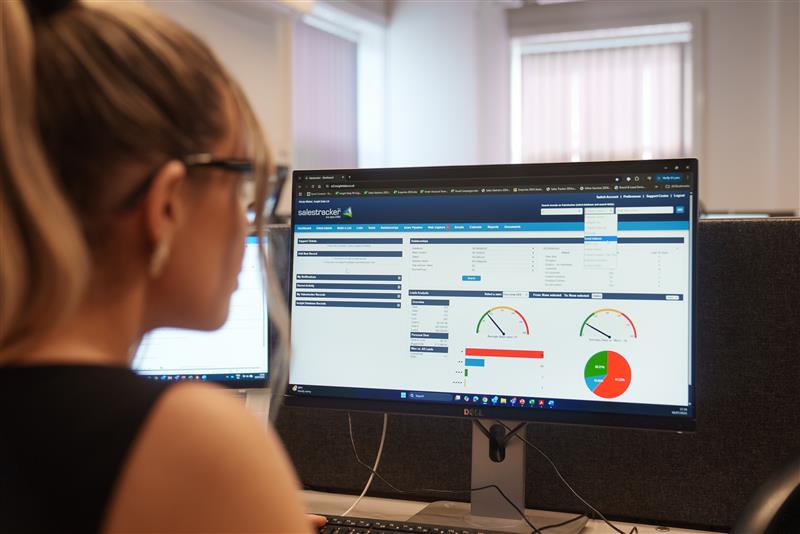
When you include data in your marketing approach, you’re working from facts rather than assumptions. Instead of guessing who might need you, you know which ones are active, financially stable, and working on relevant projects. Instead of sending email campaigns to outdated contact information, you’re reaching verified decision-makers who actually have the authority to buy.
This matters enormously for lead generation. A lead is only valuable if it’s real. If you’re chasing construction companies that went bust last year, or contacting people who changed jobs six months ago, you’re wasting time. Accurate data means your marketing strategy is built on solid ground from the start.
Consider what good data can tell you about your target audience:
- Company details – Size, turnover, number of employees. This tells you if they’re a realistic prospect for what you’re selling. No point pitching a £500k solution to a business turning over £100k.
- Financial health – Credit ratings and payment histories. Crucial in the UK construction sector, where late payments and insolvencies are common. You want to find potential customers who can pay their bills.
- Specialisms – What type of work they do. A house builder needs different products than a commercial fit-out contractor. A fenestration installer has different needs than a local builder.
- Contact information – Verified names, emails, phone numbers for actual decision-makers. Not generic info@ addresses that go nowhere.
- Location – Where they’re based and where they work. If you’re supplying building materials, proximity matters for delivery costs and response times.
- Project activity – What they’re currently working on. This helps you time your approach when they’re most likely to need what you offer.
All of this removes guesswork, letting you approach specific construction clients with relevant offers at the right moment.
Data also helps you measure what’s working. When you run email marketing campaigns or direct mail, you can track exactly who responded and why. You can see which sectors give you the best return, which regions are most profitable, and what messages get meetings booked. This feedback loop means your marketing gets smarter over time rather than repeating the same mistakes.
The difference between marketing with data and marketing without it is the difference between fishing with a net and fishing with a spear. Both might catch something eventually, but one is significantly more efficient.
Insight Data’s Approach to Construction Marketing
At Insight Data, we’ve been providing marketing data to the construction industry since 2006. We’re not a general digital marketing service trying to do everything. We focus specifically on the UK construction sector and related industries like fenestration, glazing, and building products.
Our databases cover over 60,000 verified companies, including main contractors, house builders, local builders, architects, specifiers, and builders’ merchants. These aren’t static lists bought once and forgotten. Our research team makes over 20,000 calls every month to verify details, update records, and ensure accuracy. When a construction business moves, changes ownership, or expands, we know about it.
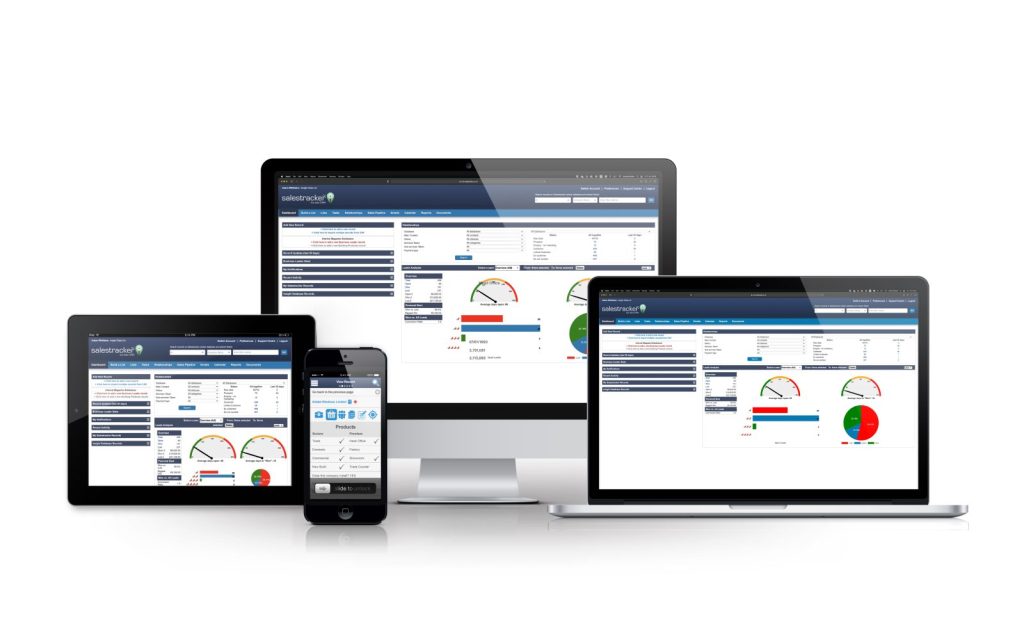
This data feeds into Salestracker, our CRM platform built specifically for trade and construction marketing. It gives you real-time access to prospect information so you can filter by exactly what matters to your construction business. Want to find property developers within 20 miles of your depot or architects working on public projects in the South East? You can create a list like this in a matter of a few clicks.
Salestracker is a complete system for managing your marketing efforts and lead generation. You can track every interaction with potential clients, set follow-up reminders, manage your pipeline, and measure what’s working. The platform integrates live data with practical sales tools, so your team always knows who to call next and why.
We also offer marketing services for businesses that don’t have the time or resources to run campaigns in-house. Our team handles everything from email marketing and telemarketing to direct mail and market research. Because we understand the construction sector, we can have meaningful conversations with your target audience rather than reading from generic scripts.
The advantage of working with a specialist? We understand best practices for reaching construction clients and have the technical knowledge required to have credible conversations. This means better response rates, more valuable leads, and ultimately better results for your business goals.
Whether you need data to power your own campaigns or marketing help from us, the principle is the same: accurate information about your target audience beats guesswork every time.
Data-Driven Marketing Delivers Results
Construction industry marketing doesn’t have to be complicated. You need to know who you’re targeting, reach them with relevant messages, and measure what works. Data makes all that possible.
The construction firms seeing the best results from their marketing are those who’ve stopped guessing and started using verified information to drive their strategy. They’re finding quality leads faster and wasting less budget on dead ends.
If you’re still marketing your construction services based on hunches and outdated lists, you’re competing with one hand tied behind your back. The data exists to do this properly.
For more information, you can call us on 01934 808 293 or use our online contact form.
Frequently Asked Questions
Why is data so important for construction industry marketing?
The construction sector is fragmented and complex. Without accurate data, you waste time and money targeting the wrong companies or reaching outdated contacts. Good data tells you exactly who’s active, financially stable, and relevant to what you offer.
What type of data should I use for construction marketing?
Focus on verified contact information for decision-makers, company financials, including credit ratings, specialisms and project types, location, and turnover. This combination lets you target the right construction business with confidence. Equally important is that the data is current. The UK construction sector changes constantly, with companies expanding, relocating, or closing.
Can data help with both finding new clients and managing existing relationships?
Yes. Data helps you identify potential customers who match your ideal profile, but it’s also valuable for managing relationships with current construction clients. Track interactions, set follow-up reminders, monitor credit status for payment risk, and spot opportunities for upselling. A good CRM platform like Salestracker combines fresh prospect data with relationship management tools so you can grow your wider audience while looking after existing customers properly.
About the Author