 Fenestration
 Local Builders
 Builders' Merchants
 Architects & Specifiers
 House Builders
 Main Contractors
 Lead Generation
 Direct Marketing
 Marketing Reports
 Salestracker CRM
 STEM Email Marketing
 Mobile CRM
 Software Features
 Market Overview
 FAQs
FAQs Downloads
 GDPR
GDPR Our History
 Company News
 Careers
 Book a Demo
 Contact Us
Email Marketing in Construction: Does It Still Work in 2026?
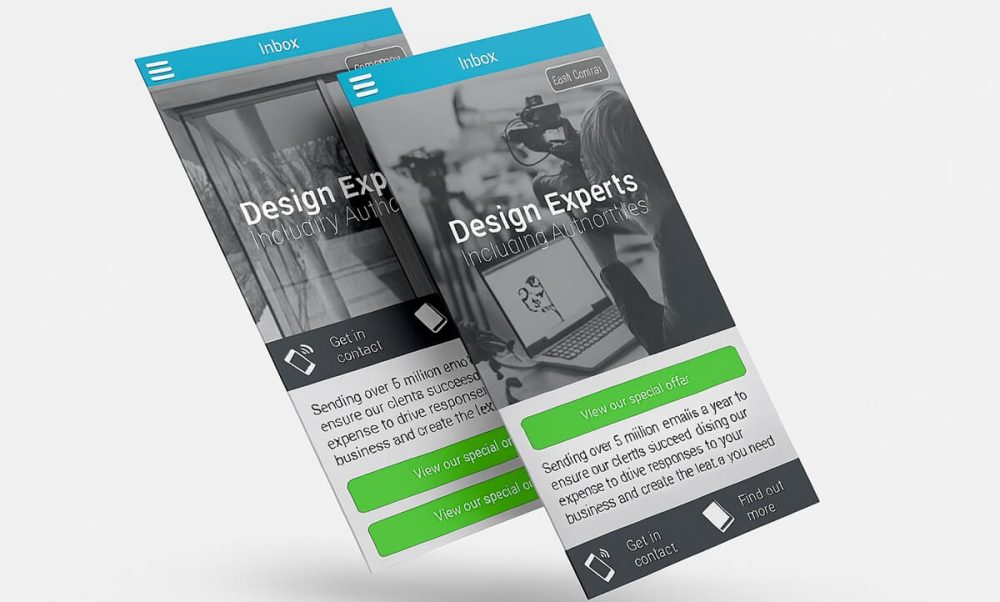
Email marketing in construction is not dying. It is evolving. In 2026, inbox competition is higher, privacy filters are tighter and generic campaigns are ignored. Yet when powered by verified B2B data, sector segmentation and CRM integration, email marketing remains one of the strongest channels for construction lead generation.
The difference is not volume. It is precision. This guide explains how email marketing performs in 2026, what benchmarks actually matter, and how construction and fenestration suppliers can convert inbox attention into measurable revenue.
The Reality of Email Marketing in 2026
Across industries, average open rates now exceed 40%. However, privacy changes mean opens are no longer a reliable indicator of intent. Click-through rate, conversion rate and revenue attribution now matter more than vanity metrics.
Independent industry reports show email marketing continues to deliver between £36 and £42 return for every £1 invested, depending on segmentation and automation maturity. That level of ROI keeps email firmly positioned as a primary B2B channel.
For construction suppliers, the economics are even stronger. One converted specification lead or contractor account can represent a six-figure lifetime value. That changes how performance should be evaluated.
Why Generic B2B Email Campaigns Fail in Construction
Outdated Decision-Maker Data
Project managers move. Buyers change roles. Companies restructure after projects complete. If your email list is not refreshed regularly, deliverability drops and engagement collapses.
No Sector Segmentation
An architect does not respond to the same messaging as a regional contractor. A housebuilder procurement manager has different priorities from a glazing installer. Without segmentation, relevance disappears.
No Commercial Tracking
Open rates do not equal pipeline. Without CRM integration, there is no visibility on which clicks led to enquiries, meetings or specification inclusion.
The Role of Verified Construction Data
Construction email marketing succeeds when it targets active decision-makers with current buying influence. This requires:
- Regularly refreshed contact validation
- Role verification at the company level
- Sector and sub-sector filtering
- Geographic segmentation
- Project pipeline awareness
When data is live and accurate, bounce rates reduce, inbox placement improves, and engagement metrics strengthen. This is not a theory. It is an operational practice.
Deliverability in a Privacy-First Environment
Inbox placement in 2026 depends on:
- Clean, permission-based lists
- SPF, DKIM and DMARC authentication
- Low complaint rates
- Consistent sending reputation
High deliverability is not achieved through aggressive volume. It is achieved through quality data and responsible sending behaviour.
Segmentation Strategies That Drive Higher Engagement
Research indicates segmented email campaigns can generate significantly higher revenue compared to non-segmented broadcasts. In B2B sectors, targeted segmentation consistently outperforms mass sending.
In construction, effective segmentation includes:
- Specifiers vs installers
- Main contractors vs regional builders
- Active project pipeline vs dormant contacts
- Past engagement behaviour
Personalised subject lines and role-specific messaging increase click-through rates and drive stronger enquiry performance.
Email Marketing and CRM Integration
Email marketing without CRM integration creates friction between marketing and sales. Integrated workflows allow:
- Automatic engagement tracking
- Lead ranking based on behaviour
- Sales alerts for high-intent prospects
- Pipeline attribution to campaigns
For example:
Email sent → Specifier clicks technical sheet → CRM logs activity → Sales notified → Follow-up scheduled within 24 hours.
This shortens response time and improves conversion probability.
What Metrics Actually Matter in 2026?
| Metric | Why It Matters |
|---|---|
| Click-through rate | Measures genuine interest |
| Conversion rate | Shows commercial impact |
| Revenue per recipient | Connects campaigns to profit |
| Cost per lead | Evaluates efficiency |
Open rates provide directional insight but should not be used in isolation.
Construction-Specific Campaign Structure
High-performing campaigns in the construction sector follow this structure:
Stage 1: Awareness
Introduce product or solution relevance aligned with sector needs.
Stage 2: Technical Engagement
Provide specification sheets, compliance documents or case evidence.
Stage 3: Direct Response
Invite meeting, sample request or project consultation.
This phased approach reflects longer sales cycles common in construction procurement.
Common Misconceptions About Email Marketing
- Email is saturated beyond usefulness – inaccurate when targeting is precise.
- Automation feels impersonal – structured workflows improve relevance.
- More volume equals more leads – quality always outperforms quantity.
Is Email Marketing Still Worth It in 2026?
Yes, when supported by verified data, segmentation and CRM tracking. No, when executed as generic mass messaging without commercial alignment.
Email remains one of the most controllable and measurable B2B channels available to construction and fenestration businesses.
Strengthen Your Email Strategy
If your current email marketing activity is not delivering pipeline growth, the issue is rarely the channel. It is usually data quality, segmentation depth or tracking visibility.
Review our email marketing services or request a consultation to assess your data and campaign structure.