 Fenestration
 Local Builders
 Builders' Merchants
 Architects & Specifiers
 House Builders
 Main Contractors
 Lead Generation
 Direct Marketing
 Marketing Reports
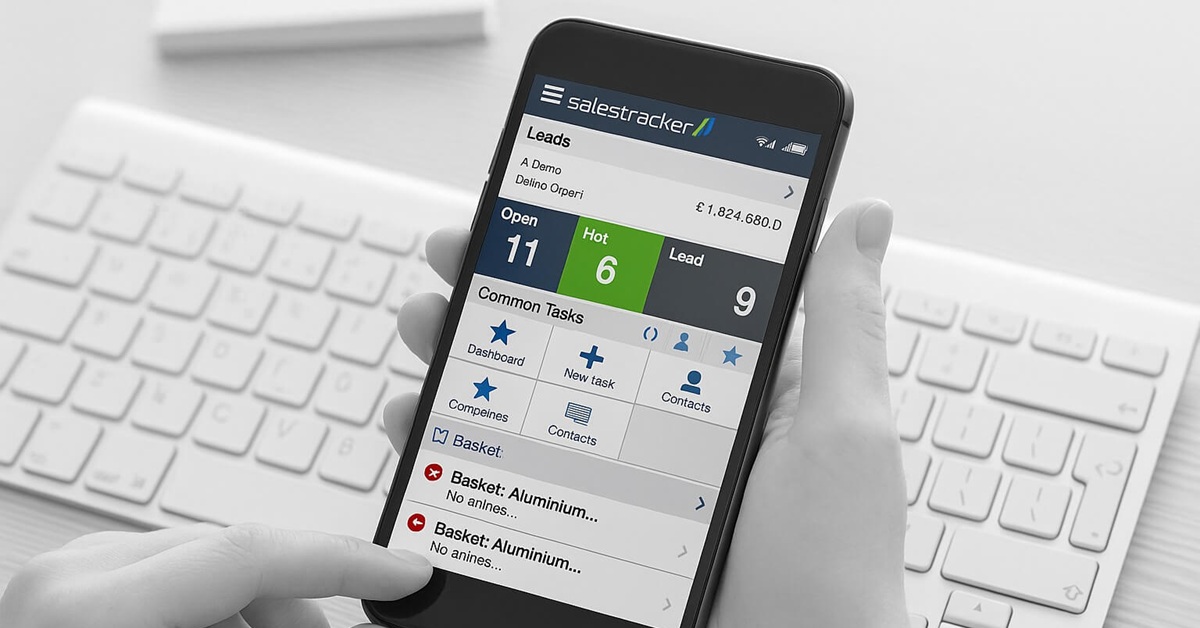
 Salestracker CRM
 STEM Email Marketing
 Mobile CRM
 Software Features
 Market Overview
 FAQs
FAQs Downloads
 GDPR
GDPR Our History
 Company News
 Careers
 Book a Demo
 Contact Us
How to improve sales team performance in the construction and trade sectors


Improving sales team performance is no longer about asking people to work harder or make more calls. In construction and trade-led sectors, sales performance is shaped by data quality, targeting accuracy, follow-up discipline, and the systems that support daily activity. Teams that fix these foundations outperform competitors consistently, even in slower markets.
Sales leaders often assume performance issues sit with individuals. In reality, most problems come from poor structure. When sales teams lack visibility, rely on outdated prospect information, or chase unqualified opportunities, results suffer regardless of experience or effort.
This article explains how to improve sales team performance in a practical, measurable way. It is written for business owners, commercial directors, and sales managers operating in construction, fenestration, and building-products markets who want predictable growth rather than short-term spikes.
Why sales team’s performance stall in construction markets
Construction sales environments are complex. Buying cycles are long. Decision-makers change. Projects pause without warning. Budgets shift quarter to quarter. When sales teams are not supported by live market intelligence and clear prioritisation rules, performance becomes reactive rather than planned.
Many teams operate with incomplete visibility. They do not know which prospects are active, which companies are expanding, or which contacts are still valid. Salespeople end up spending time chasing opportunities that will never convert. Managers struggle to understand why pipelines look full, but revenue falls short.
Improving sales team performance starts by acknowledging that effort alone does not fix broken systems.
Sales performance is driven by precision, not volume
In 2026, sales productivity depends on precision. High-performing teams do not attempt to contact everyone. They focus on the right businesses, at the right time, with the right context.
Precision improves performance in three ways. First, it reduces wasted activity. Second, it improves response rates. Third, it allows salespeople to prepare properly before contact. When teams understand who they are calling and why, conversations improve and follow-ups become relevant rather than generic.
Volume-led sales activity, without accurate targeting, damages morale and masks real performance issues.
Data quality sits at the centre of sales team performance
Sales teams cannot outperform their data. When prospect information is outdated, incomplete, or static, even the best sales process fails.
Poor data quality leads to missed calls, bounced emails, and irrelevant conversations. It also distorts reporting. Conversion rates appear lower than they really are because the starting point is flawed.
Live, verified prospect data allows sales teams to respond to real market conditions. When companies change ownership, stop trading, expand into new regions, or appoint new decision-makers, teams with current data move first. This advantage compounds over time.
Improving sales team performance requires treating data as an operational asset, not a background system.
Why lead volume does not equal better sales performance
One of the most common mistakes businesses make is increasing lead volume when sales performance drops. More leads do not improve outcomes if the qualification is weak.
Sales teams overwhelmed with low-quality enquiries respond more slowly. Follow-up becomes inconsistent. Valuable opportunities get buried under noise. Conversion rates fall, and confidence drops with them.
High-performing sales teams operate with controlled pipelines. They know which leads deserve immediate attention and which should be parked, nurtured, or disqualified. This clarity improves focus and increases close rates without increasing workload.
Lead prioritisation is the foundation of consistent results
Sales teams perform best when prioritisation is shared, visible, and enforced. Without it, salespeople default to personal judgement, which varies widely and leads to uneven results.
A clear prioritisation framework allows teams to rank opportunities based on intent, fit, timing, and engagement. When every salesperson works from the same criteria, activity becomes aligned with commercial goals.
Lead prioritisation also improves management oversight. Sales leaders can see where effort is being spent and intervene early when deals stall. This visibility is essential for forecasting and coaching.
Follow-up discipline separates average teams from high performers
Most sales opportunities are lost through poor follow-up, not rejection. Delayed responses, missed reminders, and forgotten conversations quietly erode pipelines.
Improving sales team performance requires follow-up systems that remove reliance on memory. Salespeople need prompts, reminders, and clear next steps recorded against each opportunity. When follow-up becomes systematic rather than optional, conversion rates improve quickly.
This matters even more in construction sales, where decisions are rarely immediate and timing is often uncertain.
CRM should support behaviour, not just reporting
Many sales teams use CRM systems as reporting tools rather than performance tools. Data gets entered after the fact, mainly for management visibility. This creates resistance and adds admin without improving results.
CRM should guide behaviour. It should make it easier for salespeople to decide who to call next, when to follow up, and how to prepare for conversations. When CRM supports daily workflow, adoption improves, and data quality follows.
Improving sales team performance depends on CRM being embedded into how salespeople work, not bolted on at the end of the day.
Field sales performance depends on access and simplicity
In the construction and trade sectors, many salespeople work on the road. Systems designed only for desk use fail in practice.
Field sales performance improves when teams can access live prospect data, update records, and manage follow-ups from any device. When systems are slow or difficult to use on mobile, data quality drops and visibility disappears.
Sales tools must support real working conditions. Anything that adds friction will be ignored, regardless of how powerful it looks on paper.
Measuring sales performance beyond revenue
Revenue is the outcome, not the process. Teams that only measure results struggle to improve them.
Improving sales team performance requires tracking leading indicators. These include contact rates, follow-up speed, conversion by lead type, and time spent on qualified opportunities. These metrics reveal issues early and allow managers to coach effectively.
When performance conversations focus on activity quality rather than just numbers, salespeople improve faster and with less pressure.
Managing long sales cycles without losing momentum
Construction sales cycles often stretch over months. Without structure, opportunities drift and eventually disappear.
High-performing sales teams break long cycles into defined stages with clear actions at each point. They record progress, set reminders, and maintain contact without becoming intrusive. This consistency builds trust and keeps the business visible when decisions are finally made.
Improving sales team performance means accepting long cycles and managing them properly, not hoping they shorten.
Where structured sales data makes the difference
Sales teams that outperform competitors rarely rely on generic lists or manual research. They use structured, sector-specific data that reflects how their market actually works.
For construction and fenestration businesses, this means knowing company size, trade focus, location, decision-makers, and current activity. When this information is accurate and searchable, sales planning becomes strategic rather than reactive.
Salestracker supports this approach by providing live, verified prospect intelligence built specifically for construction and trade markets. Used correctly, it allows sales teams to target better, follow up smarter, and manage pipelines with clarity.
Improving sales performance without increasing headcount
One of the strongest commercial benefits of improving sales team performance is efficiency. When targeting improves and follow-up becomes disciplined, teams generate more revenue without additional staff.
This matters in tight labour markets. Better systems reduce reliance on hero performers and create repeatable processes that new starters can adopt quickly.
Efficiency gains compound over time, improving margins as well as revenue.
Overcoming resistance to processes and systems
Salespeople resist systems that slow them down. They accept systems that help them win.
When introducing new tools or processes, focus on how they reduce wasted effort and protect opportunities. Avoid positioning CRM or data platforms as management controls. Instead, demonstrate how they support day-to-day selling.
Improving sales team performance depends as much on adoption as on design.
Aligning sales and marketing around performance
Sales performance improves when marketing activity supports real sales needs. This requires shared definitions of a good lead, clear feedback loops, and access to the same data.
When sales and marketing work from different information, opportunities fall through gaps. Alignment improves targeting, messaging, and timing across the funnel.
Shared data platforms help both teams focus on the same prospects and outcomes.
Why most sales training fails to improve performance
Sales training often focuses on techniques rather than context. Without fixing data quality, targeting, and follow-up systems, training delivers short-term uplift at best.
Improving sales team performance requires training to sit on top of strong foundations. When salespeople understand who to target and why, training becomes effective rather than theoretical.
Making sales performance predictable
Predictable performance comes from repeatable behaviour. Repeatable behaviour comes from clear systems.
When sales teams know what good looks like, have access to accurate data, and are supported by tools that guide daily activity, results stabilise. Forecasts improve. Pressure reduces. Confidence increases.
This is how high-performing sales teams operate year after year.
Applying this across a sales team
Improving sales team performance in construction and trade sectors is not about motivation or volume. It is about clarity, structure, and precision.
Teams that invest in data quality, prioritisation, follow-up discipline, and usable systems outperform competitors even in challenging markets. They waste less time, convert more opportunities, and retain confidence when others struggle.
Salestracker supports this approach by giving sales teams the visibility and control they need to work smarter, not harder. Used as part of a wider performance framework, it becomes a practical tool for sustained improvement rather than a reporting system.
How to improve sales team performance FAQs?
Improving sales team performance in construction and trade sectors requires clear targeting, accurate data, disciplined follow-up, and systems that support real sales activity. These frequently asked questions address common concerns from business owners and sales leaders looking for practical, proven ways to improve results without increasing headcount.
Q1. Why is my sales team working hard but still missing targets?
A1. Most sales teams miss targets due to poor structure rather than a lack of effort. Outdated data, weak lead prioritisation, and inconsistent follow-up mean time is spent on the wrong opportunities. Fixing systems and visibility usually delivers better results than pushing activity harder.
Q2. How does data quality affect sales team performance?
A2. Sales teams rely on accurate data to focus on the right prospects. Poor data leads to wasted calls, slow responses, and weak conversion rates. Live, verified data allows teams to act on real opportunities and react faster to market changes.
Q3. Does increasing lead volume improve sales performance?
A3. No. Higher lead volume without qualification often reduces performance. It overwhelms sales teams, slows follow-up, and hides strong opportunities. Sales teams perform better when they work with fewer, better-qualified leads that match their target market.
Q4. What role does CRM play in improving sales team performance?
A4. CRM should guide daily sales behaviour, not just store data. When CRM supports prioritisation, follow-up reminders, and pipeline visibility, sales teams work more consistently. Systems that only serve reporting needs rarely improve performance.
Q5. How can sales teams improve results without hiring more staff?
A5. By improving targeting, prioritisation, and follow-up discipline. Better systems reduce wasted effort and improve conversion rates. This allows existing teams to generate more revenue without increasing workload or headcount.
Salestracker CRM support and next steps
If you want better targeting, cleaner prospect data and a Salestracker CRM setup that helps your team win more conversations, talk to us.
Use our contact form, email hello@insightdata.co.uk, or call 01934 808 293.
We will point you to the right database, options for lead generation, and the quickest route to getting value from your CRM.
About Alex Tremlett

Alex Tremlett is Commercial Director at Insight Data. Over 11 years, he has moved from Telephone Researcher to Operations Manager and now leads the commercial team.
He works with suppliers and service providers across construction and fenestration, helping them use verified market intelligence, prospect data and Salestracker CRM to build pipelines and improve conversion.
Earlier in his career, Alex led day-to-day research operations and quality control. That experience shaped how Insight Data validates contacts, tracks market change and keeps records current.
Today, he focuses on customer strategy, partnerships and product direction, with a practical view of what sales and marketing teams need to target the right decision makers.
Alex has shared market insight on stage at The Glazing Summit and contributes regular commentary on insolvencies and trading conditions in the sector.
Contact Alex via hello@insightdata.co.uk.