 Fenestration
 Local Builders
 Builders' Merchants
 Architects & Specifiers
 House Builders
 Main Contractors
 Lead Generation
 Direct Marketing
 Marketing Reports
 Salestracker CRM
 STEM Email Marketing
 Mobile CRM
 Software Features
 Market Overview
 FAQs
FAQs Downloads
 GDPR
GDPR Our History
 Company News
 Careers
 Book a Demo
 Contact Us
Marketing Orientation in 2025: A Strategic Priority, Not an Option

Marketing orientation is no longer optional; it’s how successful B2B companies stay relevant and profitable. In 2025, understanding your customers isn’t just a marketing task. It’s a strategic advantage. Businesses that align products, messages and campaigns with real customer insight outperform those that don’t. This article explains what marketing orientation means today, why it matters more than ever, and how you can apply it using live data and real customer research.
What Is Marketing Orientation?
Marketing orientation means prioritising customer needs over internal assumptions. It involves systematic research, cross-functional alignment, and continuous market feedback. This approach informs product development, pricing, positioning and communications.
According to Jaworski & Kohli’s seminal research, businesses with strong market orientation consistently outperform competitors in innovation, profitability and customer satisfaction
The Business Case for Marketing Orientation
| Benefit | Research Insight |
|---|---|
| Better innovation | Market-oriented firms drive proactive product development |
| Higher customer satisfaction | Strong customer orientation correlates with satisfaction, loyalty and revenue growth |
| Profitability improvement | CRM use alongside customer orientation improves firm performance significantly (β ≈ 0.568) |
| Competitive advantage | Market orientation offers sustainable differentiation that competitors struggle to copy |
Additionally, Deloitte found B2B buyers now expect supplier transparency and alignment with their values, including sustainability critical components of a modern marketing orientation strategy.
How Does Marketing Orientation Differ in B2B?
- Multiple stakeholders drive decisions across finance, operations and procurement.
- Longer buying cycles demand deeper insight at each stage.
- Personalised messages must align with technical and business priorities.
This means B2B firms must invest in higher-quality data and structured research to inform strategy.

Marketing orientation in action as B2B stakeholders collaborate over customer insight data
Insight Data’s Role in Supporting Marketing Orientation
Market Research Services
Insight Data delivers custom market research surveys, focus groups, and reputation and product-market analysis focused on buyer needs. These insights inform brand messaging and campaign targeting.
Sector-Specific Databases
Our Marketing Databases include live, verified records for:
- Fenestration (13,000+ companies)
- Local builders (18,000+)
- Builders’ merchants (8,000+)
- Architects & Designers (7,700+)
- House builders (650+)
- Main contractors (2,000+)
These underpin every research project and campaign with precision targeting and demographic validation.
Live CRM: Salestracker
These databases integrate into Salestracker CRM, where you can filter by sector, role, spend, and behaviour. It feeds campaign intelligence and improves engagement rates.
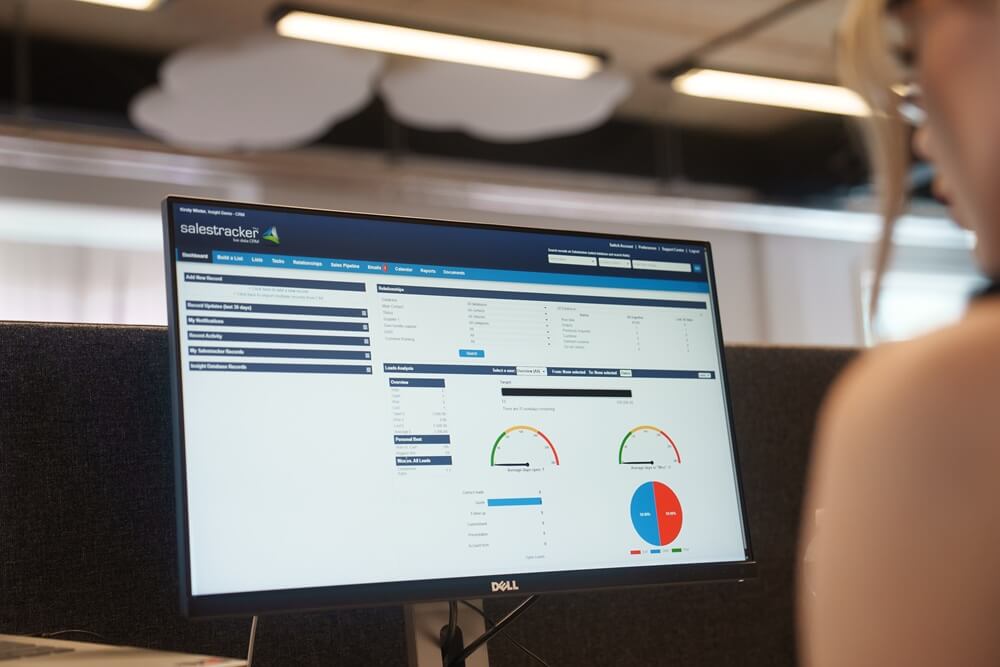
Salestracker CRM dashboard showing lead performance analytics and reporting metrics used by sales teams in construction and glazing sectors.
Managed Marketing Campaigns
Insight Data’s direct marketing services, email, telemarketing and direct mail use verified data and research-informed segmentation to deliver high ROI.
Why Insight Data Is Essential for Effective Marketing Orientation
- Data accuracy: over 20,000 monthly verification calls achieve a deliverability rate of 94%
- Research reliability: services guided by real-world insight, not assumptions
- Integration: smooth workflow from data → insight → CRM → campaign
- Sector focus: glazing, construction, building products tailored to your audience
Getting Started: Implementation Guide
Step 1: Audit Mission and Culture
Does your business listen actively across teams? Informal feedback and structured data should align with every department.
Step 2: Invest in Market Research
Commission research projects or repeat studies every 6–12 months for ongoing calibration.
Step 3: Leverage Data and CRM
Combine Insight Data’s Marketing Databases with Salestracker CRM to power campaigns grounded in real customer behaviour.
Step 4: Activate Strategic Campaigns
Use structured segmentation and psychographic insight to craft campaigns that convert.
Which Marketing Orientation Strategy Works Best for Your Business Success?
Marketing orientation puts real customer needs at the centre of strategy. These frequently asked questions help you determine which orientation suits your business model and how to apply it effectively using customer insight, research and live data.
Q1: What exactly is marketing orientation?
A1: Marketing orientation is a strategy that places customer preferences, behaviours and feedback at the heart of decision-making. It involves using research and market insight to develop products, messaging and campaigns that genuinely meet audience needs.
Q2: How does marketing orientation differ from market orientation?
A2: Market orientation refers to the philosophy of prioritising customer needs across the organisation. Marketing orientation covers all marketing-related activity, including branding, promotions and engagement, so it’s a broader, actionable strategy.
Q3: Why is marketing orientation important in today’s business environment?
A3: In highly competitive markets with nearly unlimited choices, aligning strategy with validated customer insight enables businesses to stand out. It avoids reliance on assumptions and outdated approaches like a product-only or sales-only focus.
Q4: What are the five types of marketing orientation approaches?
A4: The five main approaches are: production orientation (cost-focused), product orientation (quality-focused), sales orientation (promotion-driven), societal orientation (ethical focus), and market orientation (customer-first strategy).
Q5: How do I know which marketing orientation suits my business?
A5: Review your goals, industry and customer base. A production or product orientation may work in price-sensitive or quality-sensitive niches. However, most businesses benefit from market or customer orientationespecially when supported by live data, research and CRM tools.

A happy B2B customer uses both phone and laptop to contact Insight Data. This supports the article’s focus on customer insight and shows how easy it is to access Insight’s support and services.
Turn Customer Insight into Action with Insight Data
Insight Data helps B2B companies move from guesswork to strategy. Whether you’re building a marketing insight report, launching a new campaign or refining your data strategy, our live databases and specialist software provide the tools to target smarter and convert more.
Explore our sector-specific marketing databases for fenestration, local builders, builders’ merchants, architects, house builders and main contractors.
Access powerful tools like Salestracker CRM, mobile CRM and STEM email marketing to put insight at the heart of your sales and marketing process.
Need help getting started? View our latest industry reports, read the latest updates on the Insight Data news blog, or speak directly to our team.
📞 Call us: 01934 808293
✉️ Email: hello@insightdata.co.uk
📍 Contact form: Get in touch